Understand and optimize

Reverse
engineering

Reverse engineering in process plants and manufacturing facilities involves the systematic analysis of existing industrial equipment, systems, and processes to gain insights into their design, operation, and functionality.

Reverse engineering

Why choose n1Digital?

Z

Understanding & Documentation

Comprehensive data for effective maintenance, troubleshooting, and upgrades.

Z

Process Optimization

Identifies inefficiencies and refines production flows for maximum efficiency.

Z

Retrofitting & Upgrading

Reverse engineering extends asset lifespans and facilitates new technologies in legacy systems.

Z

Cost Reduction & Value Engineering

Improves design strategies and manufacturing approaches while cutting expenses.

Reverse engineering explained

What does it include?

It’s important to note that reverse engineering in industrial settings should always be conducted ethically and legally. Respect for intellectual property rights, patents, and proprietary information is crucial, and reverse engineering should never involve unauthorized acquisition of trade secrets or proprietary data from competitors.
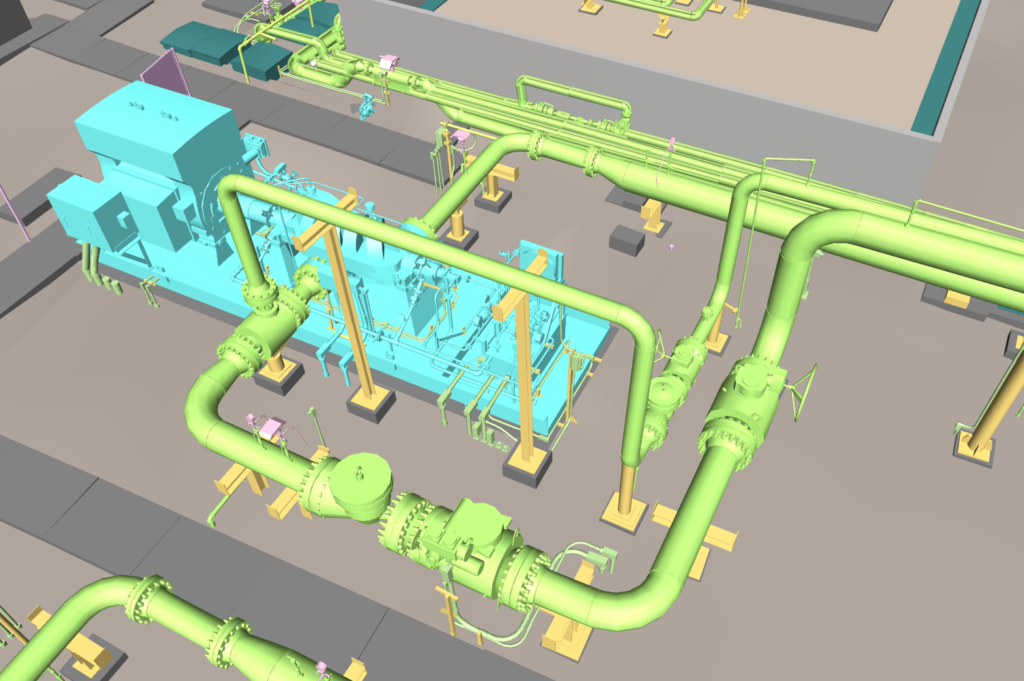
Why is reverse engineering valuable?

$
Equipment Understanding and Documentation
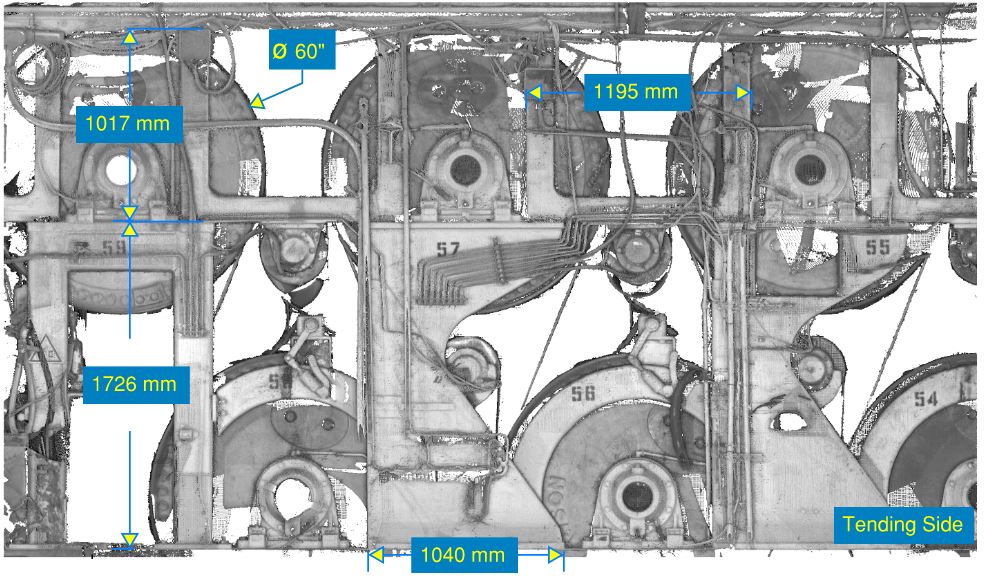
Process plants and manufacturing facilities often have complex machinery and equipment. Reverse engineering helps create detailed documentation of these assets, which can be crucial for maintenance, troubleshooting, and future modifications. It allows engineers to understand the inner workings of equipment for which original documentation might be missing or insufficient.
$
Process Optimization
By reverse engineering the processes within a plant or facility, engineers can identify inefficiencies and areas for improvement. Understanding how different components interact and how the processes flow enables engineers to optimize production, reduce waste, and enhance overall efficiency.
$
Retrofitting and Upgrading
In older plants or facilities, some equipment may become obsolete or difficult to maintain due to a lack of spare parts or technical support. Reverse engineering can help design compatible replacement parts or retrofit existing equipment with newer technologies, extending the lifespan and productivity of the facility.
$
Quality Control and Replication
Reverse engineering allows manufacturers to examine competitors’ products or components to understand their design and manufacturing processes. This information can be used for quality control purposes or to create similar products that can compete in the market.
$
Reverse Engineering Legacy Systems
Over time, some process plants and manufacturing facilities may lose the original design information of critical systems. Reverse engineering can recover this knowledge, enabling modernization or reconstruction of legacy systems.
$
Interoperability and Integration
When integrating new systems or components into an existing facility, reverse engineering helps ensure compatibility and smooth integration. By understanding the existing systems, engineers can identify potential conflicts and design solutions for seamless interoperability.
$
Product Development and Innovation:
Reverse engineering can inspire product development and innovation by examining competitors’ products or analyzing how certain features and technologies are implemented in existing products. This can lead to the creation of improved or alternative products.
$
Cost Reduction and Value Engineering
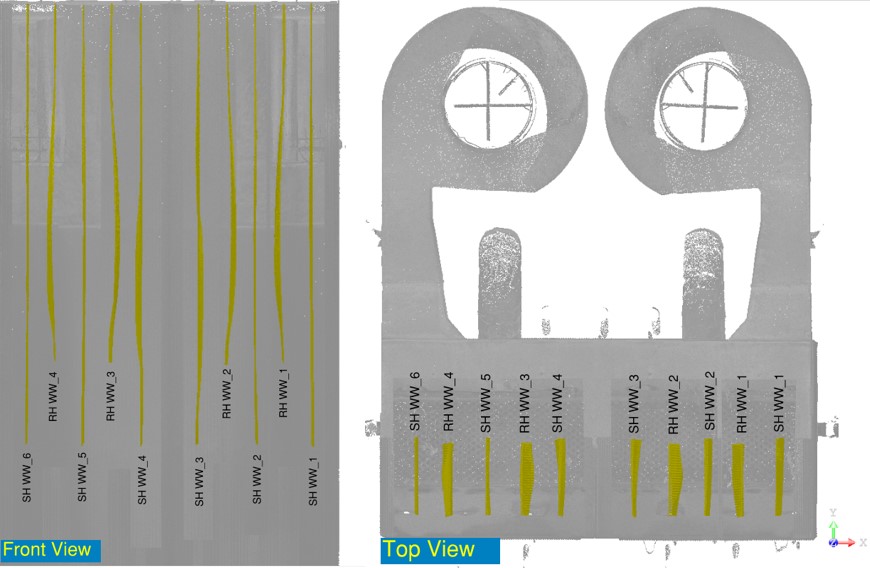
By understanding how a product or system is designed and manufactured, engineers can identify opportunities for cost reduction without compromising on quality or performance. This process, known as value engineering, can enhance the overall value proposition of the facility’s output.

Reverse engineering based on reality capture data and 3D models

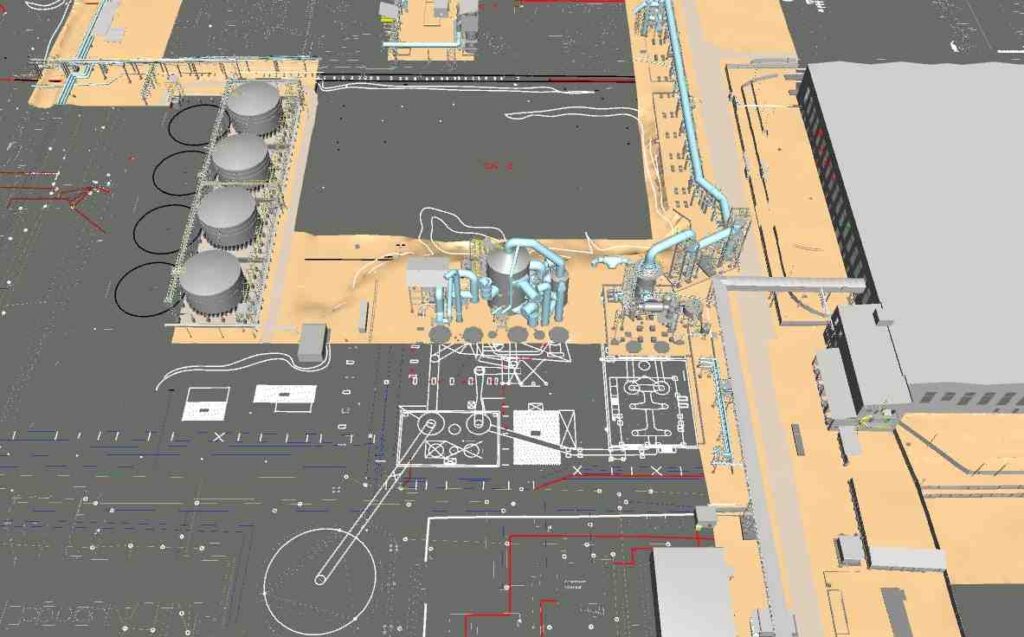
3D models play a crucial role in reverse engineering processes by providing a visual and digital representation of physical objects or components. They offer numerous benefits that aid engineers and designers throughout the reverse engineering workflow:
$
Visualization of Physical Objects
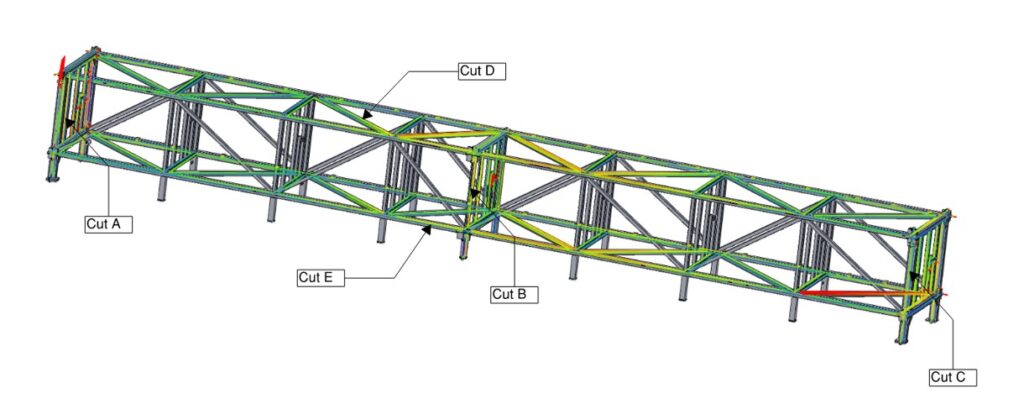
3D models provide a digital representation of the physical object being reverse-engineered. This visualization helps engineers better understand the complex geometry, shapes, and features of the original item.
$
Accurate Measurements
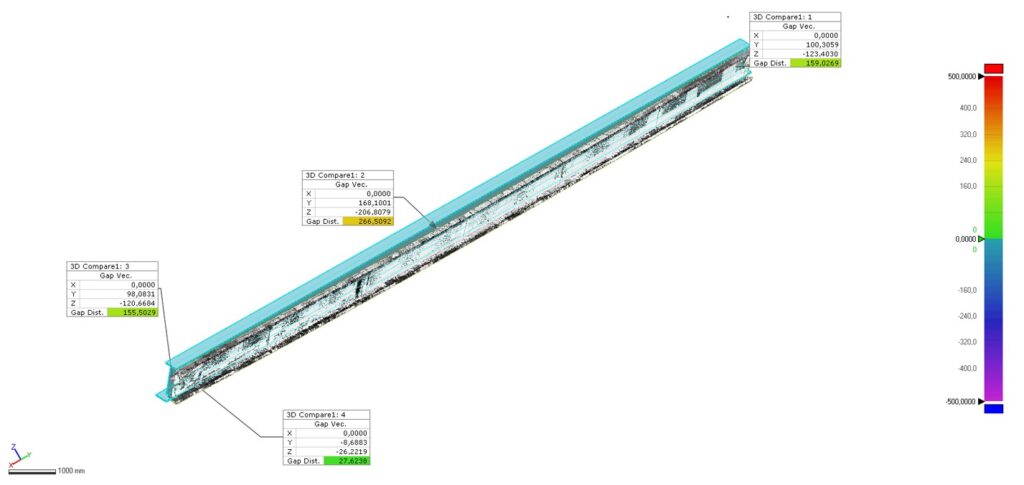
3D models enable precise measurements of the object’s dimensions, angles, and curves. This accuracy is essential for capturing the exact specifications of the original component during the reverse engineering process.
$
Comparison and Analysis
By overlaying the 3D model with the physical object, engineers can visually compare and analyze the two. This allows them to identify any discrepancies or missing features that need to be addressed during reverse engineering.
$
Rapid Prototyping
Once a 3D model is created, it can be used to generate physical prototypes using 3D printing or other manufacturing techniques. Rapid prototyping allows engineers to validate the design and functionality of the reverse-engineered component before full-scale production.
$
Data Extraction
3D models can facilitate the extraction of data, such as geometric measurements and material properties, from the physical object. This information is critical for creating accurate engineering drawings and specifications.
$
Design Modifications and Improvements
Engineers can use 3D models to make modifications and improvements to the original design during the reverse engineering process. This may involve optimizing the component for better performance, manufacturability, or cost-effectiveness.
$
Legacy Product Reproduction
In cases where original designs or documentation are unavailable for legacy products, 3D models can be used to recreate and reproduce the components, allowing for continued maintenance and support.
$
Digital Archive
3D models serve as a digital archive of the reverse-engineered object. This archive ensures that the knowledge and specifications of the component are preserved for future reference and potential re-engineering.
$
CAD Integration
3D models can be easily imported into computer-aided design (CAD) software, where further design modifications, simulations, and analysis can be performed.
$
Collaboration and Communication
3D models provide a common visual language that enhances communication and collaboration among engineers, designers, and stakeholders involved in the reverse engineering process.

In summary, 3D models are invaluable tools in reverse engineering, enabling accurate measurements, visualization, analysis, prototyping, and design modifications. They streamline the reverse engineering workflow and ensure the successful recreation or improvement of existing components and products.

Want to learn more?

Get in touch!

Our experts would love to tell you more about, how we can help your company become more efficient.

Sami Kinttu

We operate worldwide

Request a quote

Looking to bring your project to life? Whether you're in the initial planning stages or ready to dive into execution, our team is prepared to deliver customized, high-quality solutions tailored to your needs. Simply fill out the form below with your project details, and one of our experts will get in touch with a personalized quote. We’ll work closely with you to ensure every aspect of your vision is realized.

5 + 2 =