
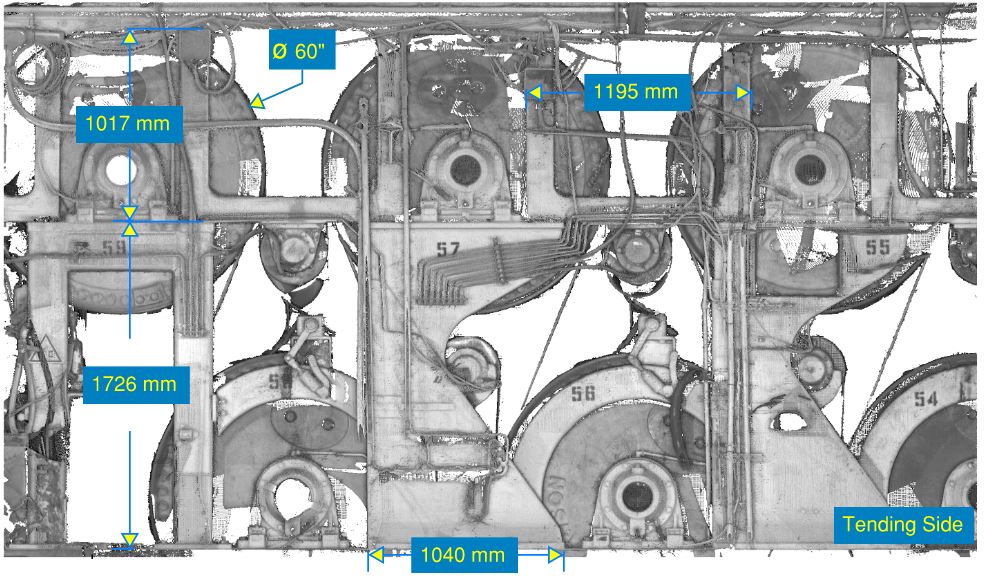
Digital twins offer significant benefits in industry by creating virtual replicas of physical assets, processes, and systems. They enable real-time monitoring, predictive maintenance, and process optimization through continuous data integration from sensors and reality capture technologies like laser scanning. Companies use digital twins to reduce operational costs, improve efficiency, and make data-driven decisions throughout the entire lifecycle of their industrial assets.
What exactly is a digital twin and how does it work in industry?
A digital twin is a virtual replica of a physical asset, process, or system that receives real-time data from sensors and monitoring equipment. In industrial settings, digital twins combine 3D models created through laser scanning and reality capture with live operational data to mirror the behavior and performance of actual equipment or facilities.
The technology works by connecting physical sensors to digital models through data integration platforms. These sensors continuously collect information about temperature, pressure, vibration, and other operational parameters. This data feeds into the digital twin, allowing it to reflect the current state and behavior of the physical asset in real time.
Industrial digital twins typically include detailed 3D models of facilities, equipment, and processes. These models are created using industrial laser scanning, which captures precise geometric data of existing installations. The combination of accurate 3D geometry and live sensor data creates a comprehensive digital representation that updates continuously as conditions change.
You can interact with digital twins through visualization interfaces that show both the 3D model and real-time data. This allows operators and engineers to monitor performance, identify issues, and test scenarios without affecting actual operations.
Why are companies investing in digital twin technology right now?
Companies are investing in digital twins because they provide immediate operational visibility and long-term strategic advantages. The technology addresses growing pressures for efficiency, cost reduction, and competitive differentiation in industrial markets. Real-time insights from digital twins help organizations respond quickly to operational changes and market demands.
The business case for digital twins centers on measurable improvements in operational efficiency. Companies can reduce unplanned downtime by monitoring equipment performance continuously and identifying potential issues before they cause failures. This proactive approach saves significant costs compared to reactive maintenance strategies.
Digital transformation initiatives across industries are driving adoption as companies modernize their operations. Organizations need better data visibility and control over their assets to remain competitive. Digital twins provide a foundation for data-driven decision-making that supports both operational improvements and strategic planning.
Investment timing is particularly relevant now because supporting technologies like laser scanning, cloud computing, and sensor networks have become more accessible and cost-effective. Companies can implement digital twin solutions more easily than in previous years, making the technology attractive for organizations of various sizes.
How do digital twins actually improve manufacturing and production processes?
Digital twins improve manufacturing by providing real-time visibility into production processes and enabling optimization without disrupting actual operations. They allow manufacturers to test process changes virtually, monitor quality parameters continuously, and identify bottlenecks before they impact production schedules.
Process optimization becomes more precise when you can visualize and analyze production workflows through digital twins. The technology helps identify inefficiencies in material flow, equipment utilization, and resource allocation. Production planning improves because planners can simulate different scenarios and understand their potential impacts before implementation.
Quality control benefits significantly from digital twin implementation. Continuous monitoring of production parameters helps maintain consistent quality standards and identify deviations early. This proactive approach reduces waste and rework while ensuring products meet specifications consistently.
Manufacturing digital twins often incorporate detailed facility models created through construction laser scanning and industrial scanning. These accurate 3D representations help with layout optimization, equipment placement planning, and workflow analysis. You can visualize how changes to production lines or facility layouts might affect overall operations.
What role do digital twins play in predictive maintenance and asset management?
Digital twins enable predictive maintenance by continuously monitoring asset condition and performance patterns to forecast when maintenance will be needed. This approach shifts organizations from reactive or scheduled maintenance to condition-based maintenance strategies that optimize both asset availability and maintenance costs.
The technology analyzes historical performance data alongside real-time sensor information to identify patterns that indicate potential equipment issues. Asset lifecycle management improves because you can track equipment performance over time and make informed decisions about repairs, upgrades, or replacements based on actual condition data rather than assumptions.
Equipment performance monitoring through digital twins provides detailed insights into how assets operate under different conditions. This information helps optimize operating parameters, extend equipment life, and plan maintenance activities during scheduled downtime rather than emergency situations.
Digital twins support asset management by maintaining comprehensive records of equipment history, performance trends, and maintenance activities. This documentation proves valuable for warranty claims, insurance purposes, and strategic planning for facility investments and upgrades.
How do you get started with implementing digital twins in your organization?
Start digital twin implementation by assessing your current assets and identifying specific use cases where the technology will provide clear value. Focus on critical equipment or processes where improved monitoring and optimization would deliver measurable benefits. Data requirements assessment is important because digital twins need reliable sensor data and accurate 3D models to function effectively.
Begin with reality capture activities like laser scanning to create accurate 3D models of your facilities and equipment. This foundational step provides the geometric framework for your digital twin. Combine this with an inventory of existing sensors and monitoring systems to understand what data is already available and what additional instrumentation might be needed.
Technology considerations include data integration platforms, visualization tools, and storage infrastructure. Cloud-based solutions often provide the most flexible and scalable foundation for digital twin implementations. Consider how the system will integrate with your existing enterprise software and data management practices.
Organizational readiness involves training staff to use digital twin interfaces and interpret the insights they provide. Start with pilot projects that demonstrate value quickly and build confidence in the technology. This approach helps develop internal expertise while proving the business case for broader implementation.
Digital twins represent a significant opportunity for industrial organizations to improve operations, reduce costs, and make better decisions based on real-time data. The technology combines accurate 3D models with continuous monitoring to provide unprecedented visibility into asset performance and operational efficiency. We specialize in creating digital twins for industrial facilities, combining our expertise in laser scanning and digital twin services to help organizations realize these benefits. Our comprehensive approach to reality capture and digital twin development supports companies throughout the implementation process, from initial assessment to ongoing optimization. Contact us for a quote to learn how we can help your organization implement digital twin technology.