
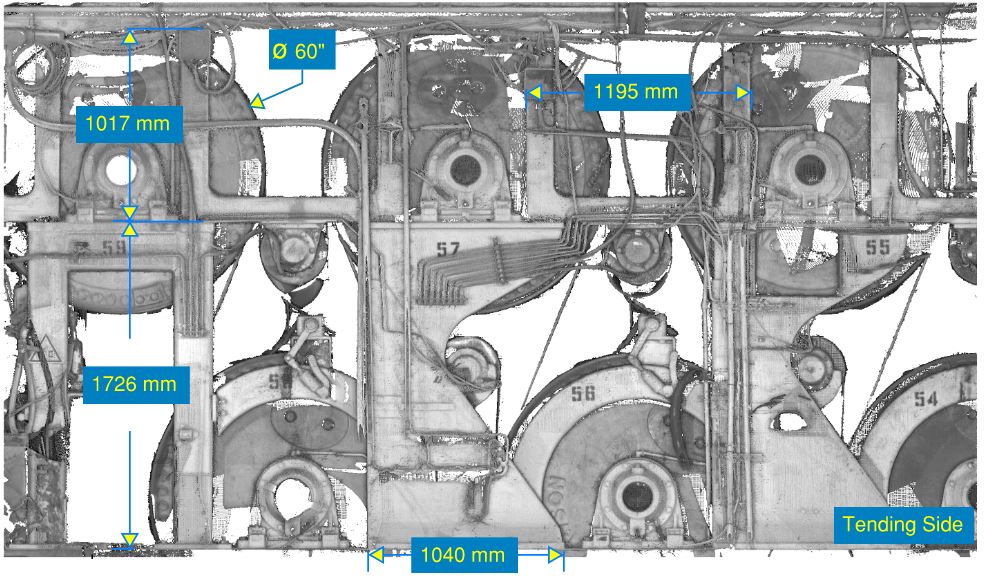
Laser scanning offers significant benefits for construction projects by capturing precise 3D measurements of existing structures and environments. This technology creates detailed point cloud data that improves accuracy, reduces costs, and streamlines project workflows. Understanding how laser scanning integrates with modern construction processes helps you make informed decisions about implementing this technology in your projects.
What is laser scanning and how does it work in construction?
Laser scanning uses light detection and ranging technology to capture millions of precise 3D measurements of physical structures and environments. The scanner emits laser beams that bounce back from surfaces, creating detailed point cloud data that represents the exact geometry of buildings, infrastructure, and industrial facilities.
In construction applications, laser scanning transforms physical structures into accurate digital models. The process begins with positioning the scanner at strategic locations around a site or building. The device rotates and captures measurements at different angles, recording the precise location of every surface point it encounters.
This point cloud data becomes the foundation for creating detailed 3D models and digital representations. Construction professionals can then use this information for planning, design verification, progress monitoring, and quality control throughout project phases.
How does laser scanning improve accuracy in construction projects?
Laser scanning delivers measurement precision within millimetres, significantly reducing human error compared to traditional surveying methods. This level of accuracy ensures that construction teams work with reliable data when making critical decisions about structural modifications, installations, and project planning.
Traditional measurement methods often involve manual processes that can introduce inconsistencies and mistakes. Laser scanning eliminates these variables by capturing comprehensive measurements automatically. The technology records every detail of existing conditions, providing construction teams with complete information about spaces, structures, and potential obstacles.
Accurate 3D data supports better decision-making throughout all project phases. Teams can identify potential conflicts before construction begins, verify that installations meet specifications, and ensure that new elements fit properly within existing structures. This precision reduces the likelihood of costly errors and rework during construction.
What time and cost savings can laser scanning provide?
Laser scanning dramatically reduces data collection time compared to traditional surveying methods. A single scanning session can capture comprehensive measurements of large areas or complex structures in hours rather than days, allowing construction teams to move forward with accurate information quickly.
The technology minimises the need for repeated site visits by capturing complete documentation in fewer sessions. Construction professionals can access detailed measurements remotely, reducing travel time and allowing for more efficient project coordination between different team members and stakeholders.
Early detection of issues through accurate scanning prevents costly rework later in the construction process. When teams identify conflicts, dimensional problems, or structural concerns before construction begins, they can adjust plans and avoid expensive corrections during later project phases.
How does laser scanning integrate with BIM and digital twins?
Point cloud data from laser scanning feeds directly into Building Information Modelling systems, providing the accurate foundation needed for comprehensive digital project management. BIM platforms can incorporate this precise 3D data to create detailed models that support design, coordination, and construction planning activities.
Digital twin creation relies heavily on accurate reality capture data from laser scanning. These dynamic digital representations of physical assets require precise measurements to function effectively for ongoing facility management, optimisation, and decision-making processes.
The integration enhances project visualisation capabilities by combining accurate existing conditions with proposed designs. Construction teams can visualise how new elements will interact with existing structures, identify potential problems, and communicate design intent more effectively to all project stakeholders.
What types of construction projects benefit most from laser scanning?
Renovation projects gain substantial value from laser scanning because accurate documentation of existing conditions is essential for successful planning and execution. The technology captures complex architectural details, structural elements, and spatial relationships that would be time-consuming and difficult to measure manually.
Infrastructure development projects benefit from comprehensive site documentation and progress monitoring capabilities. Laser scanning helps teams understand existing conditions, track construction progress, and verify that completed work meets design specifications and quality standards.
Complex architectural structures and industrial facility modernisation projects require the precision that laser scanning provides. These applications often involve intricate geometries, tight tolerances, and integration with existing systems where accurate measurements are crucial for successful project outcomes.
Understanding these benefits helps you evaluate whether laser scanning technology aligns with your construction project needs. The combination of improved accuracy, time savings, and integration capabilities makes this technology valuable for many modern construction applications. At N1digital, we specialise in providing comprehensive laser scanning and digital services that support construction and industrial projects with the precise data needed for successful outcomes. Get in touch with our team to discuss your project requirements.